Creative Behavior Systems Restorative. Mindful. Trauma Aware.
We cannot build healthy communities from a state of overwhelm.
Regulated people build connected communities.
Connected communities create safer systems.
Creative Behavior Systems helps schools, organizations and communities create conditions people need to regulate, connect, learn, work and belong.
You do not need another intitative!
The gap is often between intention and practice.
A school can have restorative practices without becoming restorative.
An organization can value collaboration while people don’t feel safe enough to disagree.
A team can receive excellent training without having the capacity to implement it.
Leadership can genuinely want participation while overwhelmed people no longer have the bandwidth to engage.
Stress, it changes how we listen, communicate, interpret, lead, feel and respond in classrooms, staff meetings, teams and throughout organizations.
Creative Behavior Systems helps schools and organizations strengthen the conditions that make connection, communication, belonging and repair possible.
We look at what is happening now: what’s working, what isn’t, where the gaps are, what may be working against your intentions and what comes next.
Then we build from there, together.
When people are operating from protection, connection becomes harder and that is precisely where this work begins. Not by adding another program, but by enhancing the programs we have.
We are being asked to build stronger communities while the people responsible for doing the work are already carrying more than enough.
Creative Behavior Systems helps move from intention to implementation.
Through flexible hybrid support, working alongside leadership, staff, students, families and community partners to strengthen the conditions that allow people to feel safe, connected and belong.
Our work together may include whole-child and trauma-aware practice; relational and restorative systems; behavior, communication and regulation; school, staff and classroom community; family and community engagement; and systems alignment and/or implementation support.
We begin with what is already happening, not with another program.
Together, we identify strengths, uncover gaps, align existing practices and determine the next intentional steps toward a more connected community.
The Work
“Great ideas for resets, community building, treatment agreements and relationship repair. I can’t wait to train my teachers on this approach.”
-Carey, Equitable Supports Coach, Indianapolis Public Schools, Indiana
Regulation. Reflection. Relationship. Repair.
This works builds capacity in community:
nervous system awareness and regulation
restorative communication and repair
reflective leadership and adult capacity
stronger staff, student and family communications
belonging across differences
sustainable community building practices
You already have many of the pieces.
This work brings them together.
Building Community Requires More Than a Program
Schools especially are being asked to deepen belonging, family and community engagement, whole child supports and collaborative practices.
Creative Behavior Systems helps build the organizational capacity that makes this possible by strengthening regulation, relationships, restorative practices and conditions for authentic community.
Why This Matters
Much of what is currently labeled trauma-aware or trauma-informed has become narrowly focused on identifying trauma in children, often rooted primarily in the Adverse Childhood Experiences (ACE) study.
While the ACE study played a vital role in bringing public awareness to the long-term impacts of adversity, trauma-aware spaces were never meant to become systems of labeling, blaming or “othering”.
True trauma-aware work invites awareness of how lived experience, stress, environment and nervous systems shape behavior, across the lifespan.
It calls for reflection, relational responsibility and systems that support regulation first, not compliance.
This deeper understanding was championed by journalist and public health advocate, the late Jane Stevens, whose work was instrumental in bringing trauma-informed awareness into public consciousness. Jane consistently emphasized that trauma-aware spaces must move beyond identifying adversity and toward building relational, regulatory and systemic capacity.
How Support Is Structured
Training matters. Implementation changes culture.
For Schools
Whole-child practices, behavior, belonging, restorative approaches, staff wellbeing, family engagement and community partnerships cannot become one more thing added to an overwhelmed staff.
The work is bringing these pieces together so they become part of how your community actually functions.
For Organizations
Culture isn’t what an organization says it values. It’s what people experience.
Creative Behavior Systems helps organizations strengthen communication, reflective leadership, collaboration, relational accountability, belonging and the capacity to repair when things go wrong.
Support is customized based on context and need.
Partnership models are individually designed for meaningful integration and sustainability.
Every school and organization is different. We begin where you are.
“I know it has only been one day, but the changes Susan taught made a world of difference.”
-Connie, 2nd Grade Teacher, Oak Hill Elementary, California
School & District Partnerships
Professional learning, coaching, assessment, family engagement and analysis of current educationally focused systems of support aligning to community building practices.
Organizational Consulting & Leadership Development
Relational, inclusive and collaborative leadership, nervous system awareness, strengthening community voice, asset mapping and gap analysis, moving priorities into culture focused practice.
Communities & Groups
Facilitation, restorative practices and experiences designed to strengthen connection and belonging.
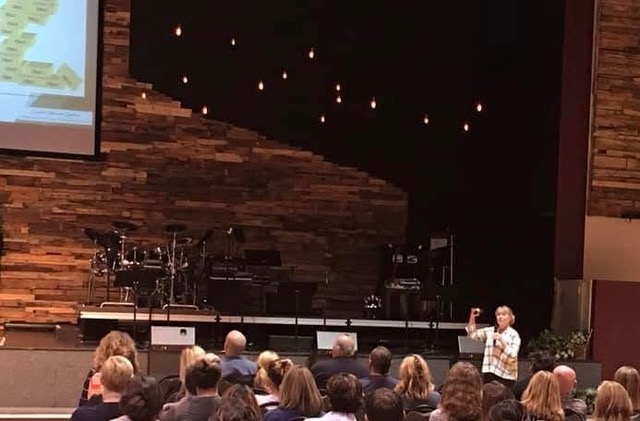
Speaking Engagements & Conference Keynotes
Grounded, human centered talks rooted in nervous system awareness, lived experience, regulation and relational perspective.
Events & Experiences
Open opportunities to experience the work through workshops, practices of regulation such as breathwork, reflective learning and other events offered throughout the year.
See current and upcoming 'Events' in the carousel below!
-
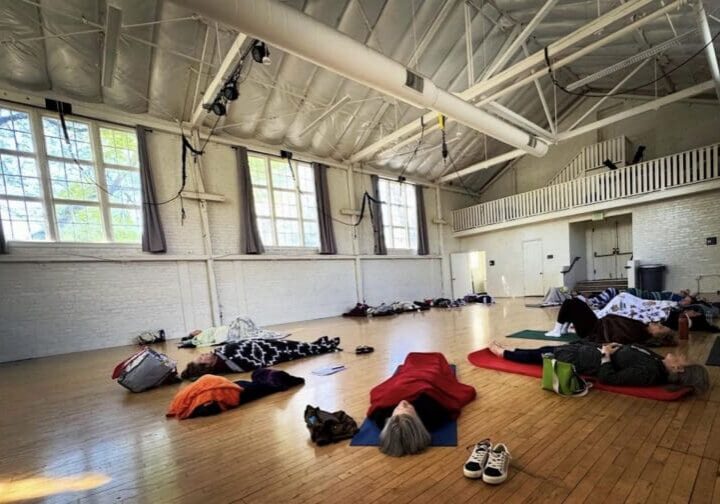
Somatic Breathwork
Dates: Sunday, November 15, 2026 1:30 PM – 3:30 PM The CLARA Auditorium 1425 24th Street Sacramento, CA. 95816